The Linen Shirt That Wrinkled on the Train and Still Won
I own all three fabrics in basically every garment type, and I’ve worn each one hard enough to learn where it gives up. Ignore the question of which is better, because it depends on the day, the climate, and how much laundry you’ll tolerate. My answers come from years of sweating, spilling, and ironing in them, and I’m no textile scientist. I’ve split this by what I ask of clothes: how they feel in heat, how they behave in the wash, and how long they last.
Heat, Sweat, and How Each Feels on a Bad Day
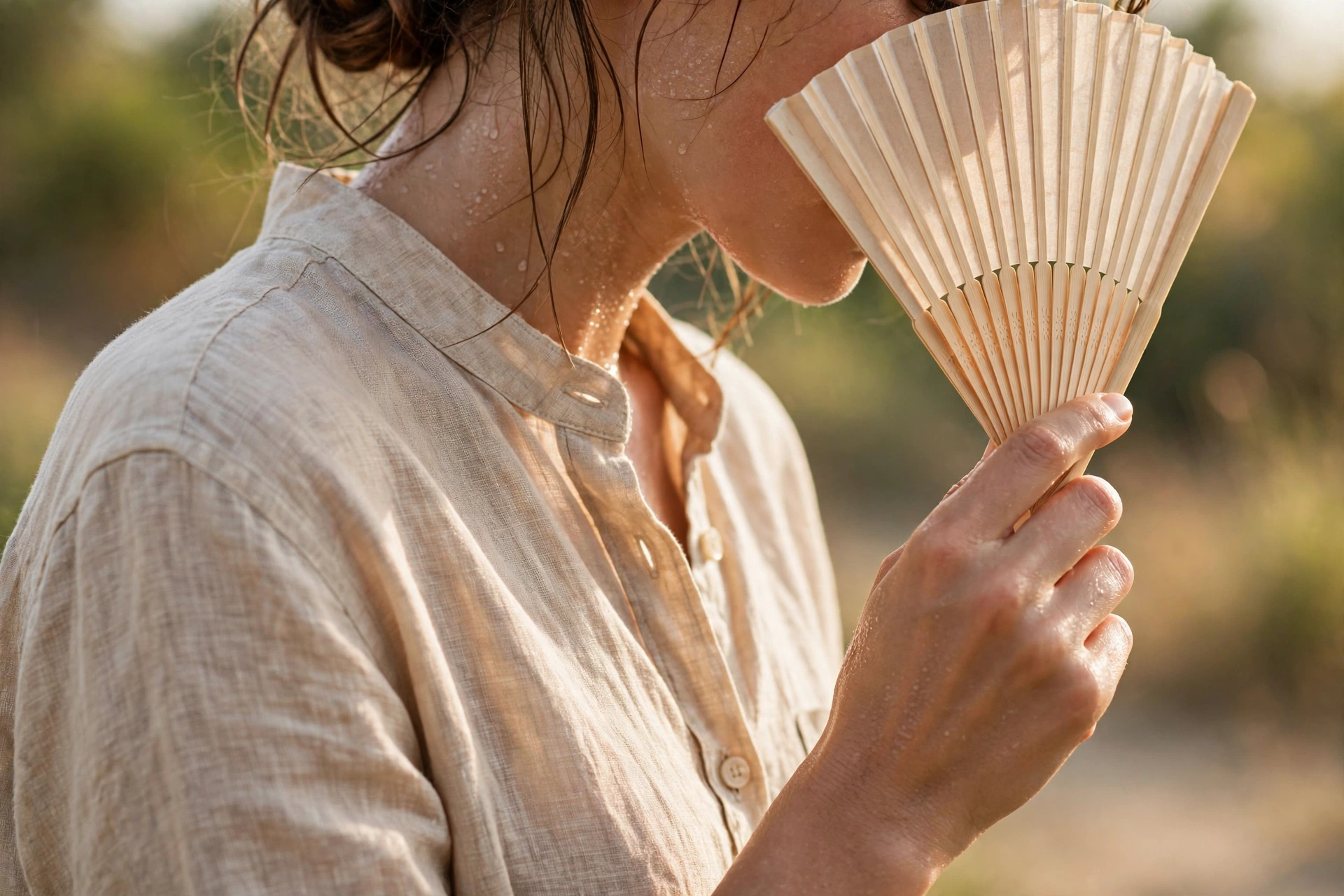
Linen is the one I reach for when the temperature climbs. It’s made from flax, the weave is naturally loose, and it dries fast, so a linen shirt on a muggy July afternoon feels like wearing almost nothing. I own a pale blue linen button-down that has survived two humid weddings and a week of travel in August. It’s rough when new and softens after a few washes.
The tradeoff is wrinkles. Linen creases the moment you sit down, and I stopped fighting that. On the train home, my shirt looked like a map, and nobody cared, because it’s part of how linen reads. If you can’t stand it, a linen-cotton blend wrinkles less and keeps some of the airiness.
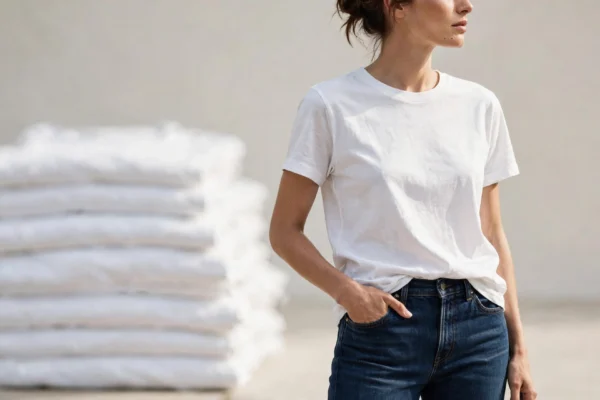
Cotton sits in the middle. A heavyweight white tee, like a Hanes Beefy-T, feels comfortable in mild weather and holds its shape. In real heat or a hard workout, though, cotton soaks up sweat and stays wet, which gets clammy and cold once you stop moving. I wear it for ordinary days and skip it for long hikes.
Polyester is where opinions split, and mine is mixed. It doesn’t absorb water, so it dries quickly, which is why most athletic shirts use it. For a run or a gym session, a polyester tee beats cotton every time. Against my skin in a hot office or on a long summer walk, plain polyester felt sticky and trapped heat, and it held onto smell more than the other two. Some polyester is knit in ways that breathe better, so a label alone doesn’t settle it. I try one on in a warm room before trusting it.
Cold weather flips the order. Cotton and linen aren’t warm, so for winter I’d choose wool or fleece, which is usually polyester, over either. A fleece quarter-zip like the Patagonia Better Sweater is polyester, and it’s the first thing I grab for cold mornings.
If my skin is sensitive that day, I stay with cotton. Polyester is the fabric most likely to itch on me.
Washing, Wrinkles, and Daily Upkeep
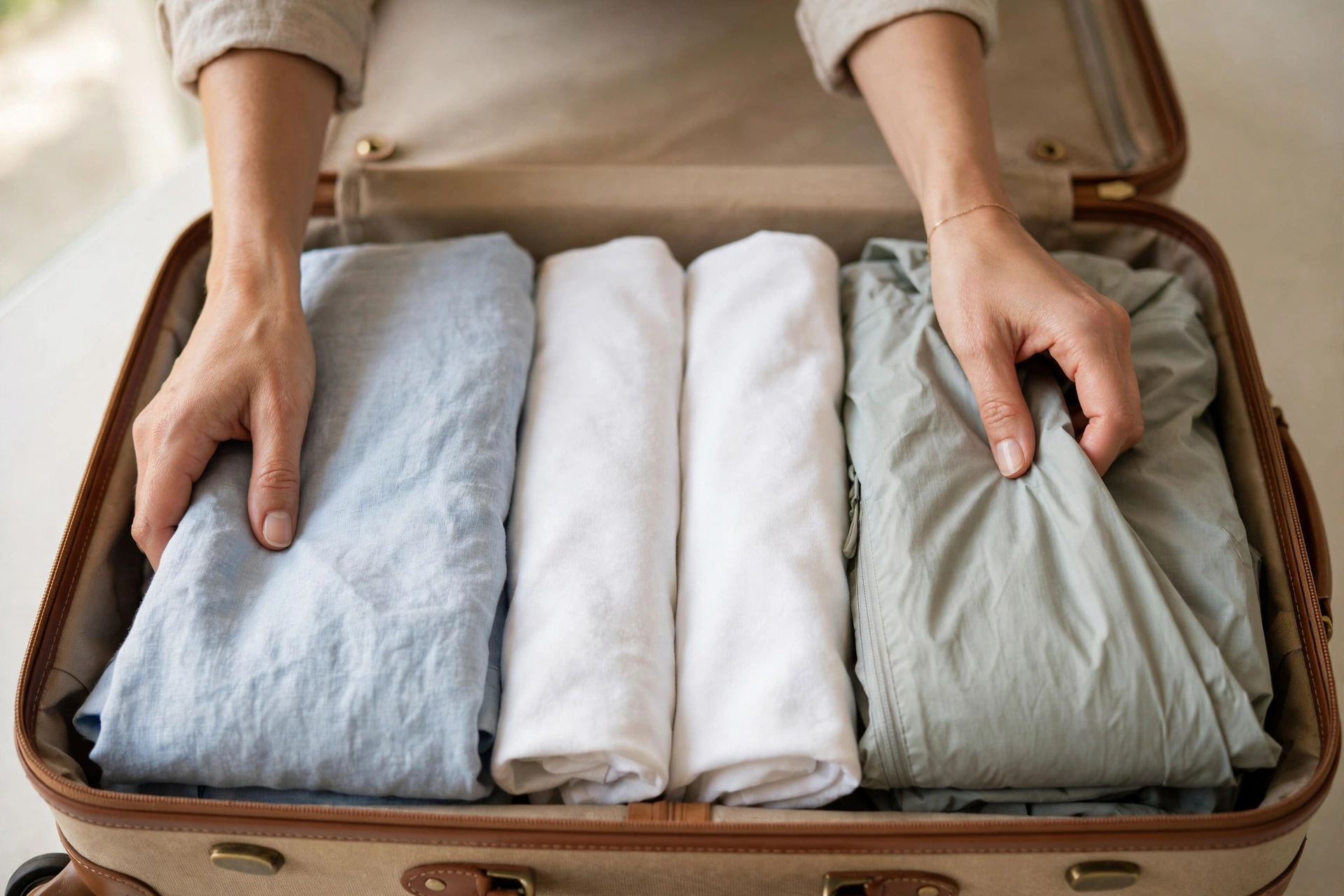
This is where polyester earns its keep. It barely wrinkles, it dries in an hour on a hanger, and it comes out of a suitcase looking fine. I own a polyester-blend shirt just for travel days, and I don’t think about it once it’s packed. Stains can be stubborn, though. Oil sticks to polyester more than to cotton, and a grease spot from a salad dressing took three rounds of dish soap to fade.
Cotton is forgiving in the machine. It tolerates warm water and handles stains well, but it shrinks, most of all in the first few washes. I wash new tees cold and buy a size up if I plan to tumble dry. White cotton also yellows over time with sweat and age, and I replace mine before the armpits turn.
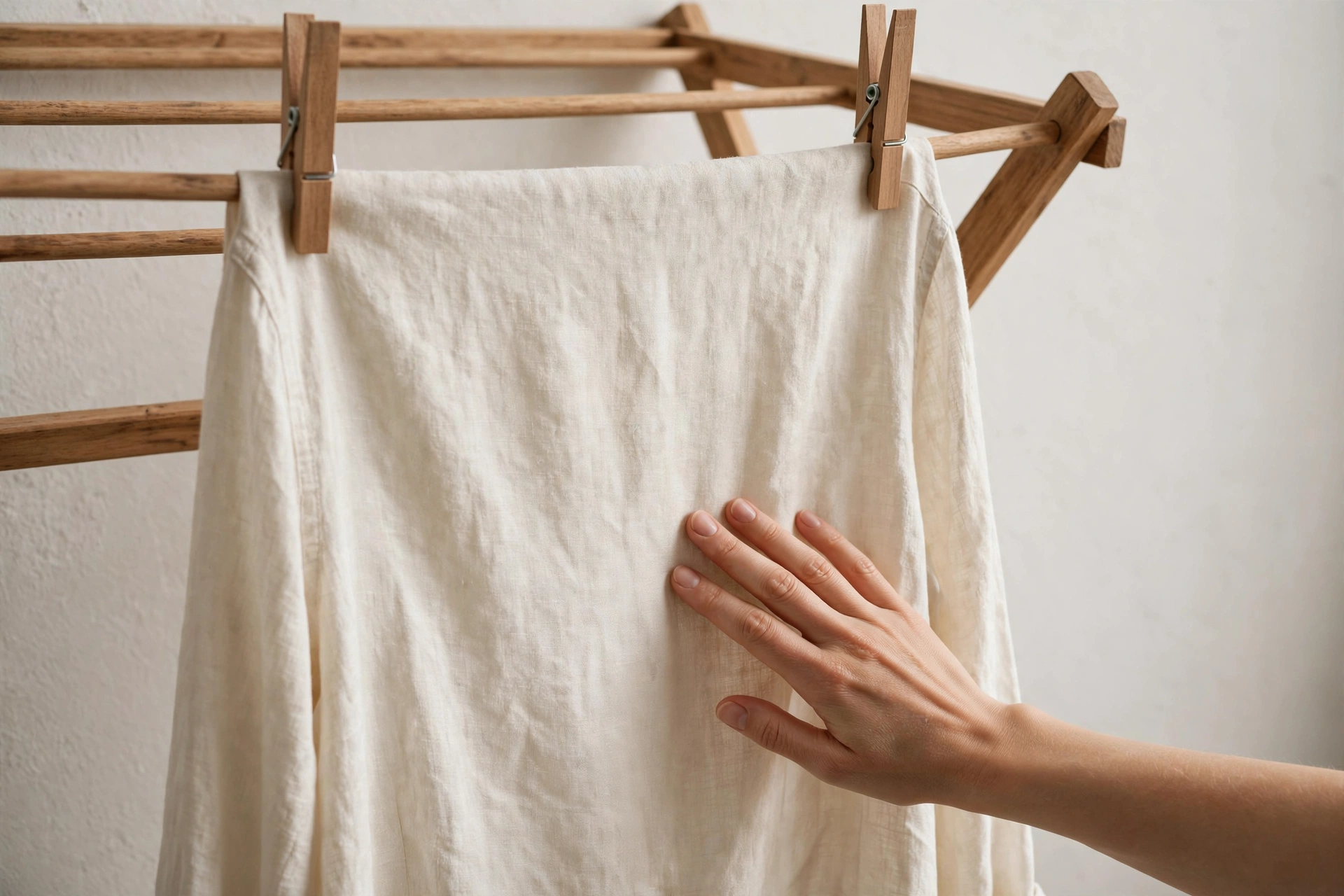
Linen likes gentle treatment. I wash it cold or lukewarm on a delicate cycle and hang it to dry, since a hot dryer shrinks it and weakens the fibers. Irons love linen, and a damp shirt pressed on high heat comes out crisp. I’ll admit I mostly skip that and wear the wrinkles.
Pilling is something I notice most with polyester blends and cheap knits. Those little fabric balls collect where fabric rubs, like under the arms, and a fabric shaver clears them for a few dollars. Heavier cotton and linen tend to age with less of it.
Heat in the dryer is a bigger enemy than most people think. Polyester can melt or warp under a hot iron, so I iron it on low or just steam it. Cotton can take a high setting, and linen should be pressed damp.
Smell is another factor. Polyester holds odor after a hard sweat, even after washing, so I wash athletic shirts soon after use instead of leaving them in a bag. Cotton and linen release smell more easily in my experience.
Care labels beat my advice, so I read them when a garment is new, since blends change the rules.
Cost, Lifespan, and Where Each Belongs
For daily wear, I ask what a piece will look like in two years, not on day one. Heavy cotton, like a good denim jacket or a thick tee, gets better with age, softening and fading in ways I like. Cotton is also easy to find secondhand, and thrifted cotton shirts have outlasted new ones I bought at full price.
Linen costs more new, in my experience, though I won’t quote numbers since it varies a lot by brand. It tends to last a long time, because the fibers are strong, and it often looks better after many washes. I’ve worn the same linen shirt for six summers. The seams and buttons fail before the fabric does, and those are cheap to fix.
Polyester is typically the cheapest, and it can be very durable, particularly for rain shells, fleece, and athletic gear. A shell like the Patagonia Torrentshell is nylon, a close cousin of polyester, and it’s the best piece of rainwear I own. But cheap polyester knit shirts pill, stretch, and look tired within a season. Durable doesn’t always mean pleasant.
Environmental questions come up, and I’ll keep my claims modest. Polyester is a plastic made from petroleum, and washing it can shed tiny fibers into the water, so a wash bag or filter helps a little. Cotton takes a lot of water to grow, and linen generally takes less. I don’t think any of the three is clearly innocent, so I buy fewer things and wear them longer, which matters more than the fiber.
Here’s how I split my wardrobe. Cotton for tees, jeans, and chinos. Linen for summer shirts and relaxed trousers. Polyester or blends for rain gear, workout clothes, and anything I’ll shove into a bag. Blends can combine strengths, like a bit of elastane in jeans for stretch or a cotton-poly shirt that wrinkles less.
When I shop, I flip the tag and read the first fiber listed, since that’s the biggest share. A tee that’s mostly polyester with a little cotton won’t act like a cotton tee, whatever the front of the label says.
Packing for a hot trip last August, I took one linen shirt, two cotton tees, and one polyester shell. I wore all of them, and none of them failed.