
The Wet-Hair Brushing Habit That Filled My Drain Every Morning
For most of a year I blamed my shampoo, my genes, and a stressful job for the hair collecting in my brush. Then I watched what my hands actually did each day, and three habits stood out. I’m no doctor, and sudden shedding, clumps, bald patches, or a widening part deserve a dermatologist, not a blog. For ordinary breakage and the strands I was helping along, these changes made the difference for me: how I handled wet hair, how I tied it up, and what I did to my scalp.
Treating Wet Hair Like Dry Hair
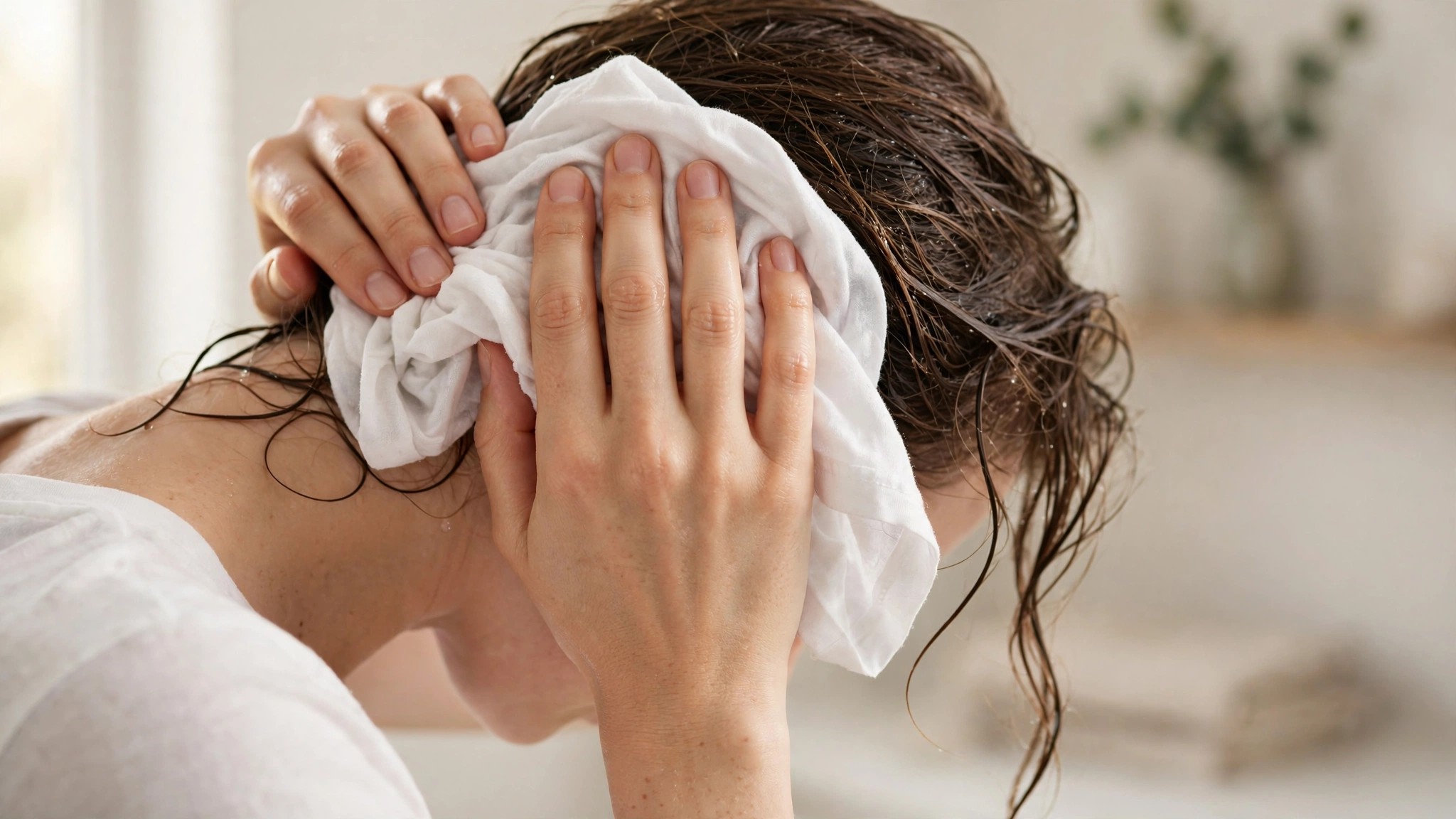
Wet hair is at its weakest. It stretches and snaps far more easily than dry hair, and I handled mine like a dirty pan. Out of the shower I’d wrap my head in a terry towel, scrub in hard circles for a minute, then drag a paddle brush from the roots down through every knot.
Much of what I found in the sink wasn’t hair falling from the scalp. It was breakage, short snapped pieces with no root. Hair that has actually shed usually has a tiny white bulb on one end, while broken hair is just a fragment. Checking that was the first time I understood I was snapping hair instead of losing it.
My fix took about a week to get used to. I squeeze water out with my hands, then press an old cotton t-shirt against my hair rather than rubbing. A microfiber towel does the same job. I let it sit damp while I get dressed and detangle only after applying a leave-in conditioner, using a wide-tooth comb. I start at the ends and work upward a few inches at a time. When I hit a knot, I hold the hair above it so the pull never reaches my scalp.
A flexible-bristle brush like the Tangle Teezer is another option I like, since it gives a little under tension. I still avoid brushing soaking wet hair from the roots, because that’s where most of my snapping happened.
Heat belongs in this habit too. I used to blow-dry on the hottest setting, holding the nozzle in one spot to save time. Now I use medium heat, keep the dryer moving about six inches from my head, and let my hair air-dry most of the way first. The less time hot air spends on a strand, the less it dries out and breaks.
Conditioner on the lower half of my hair, left in for a couple of minutes, made detangling easier too. Within a few weeks the amount of hair in my brush had dropped noticeably.
Tight Styles and the Wrong Elastics
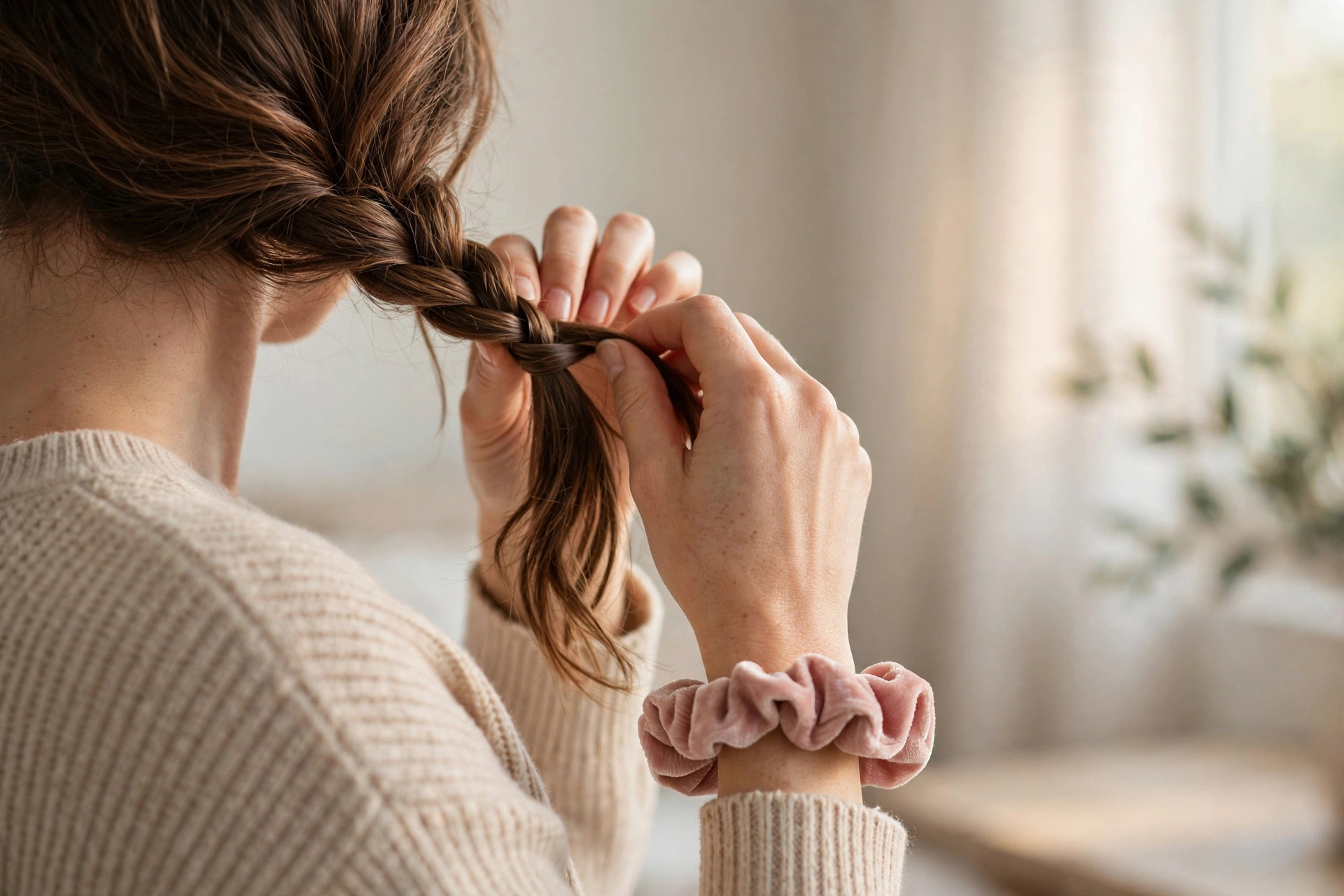
The second habit was how I tied my hair back. I wore a high, tight ponytail nearly every day, often with a thin elastic and often while the hair was still damp. I slept in it more nights than I’d admit. The spot behind my ears grew sore, and I noticed small broken hairs around my temples and hairline.
Constant pulling on the same spot can lead to what’s called traction hair loss, where repeated tension on the follicles thins hair over time. Caught early, it often improves once the tension stops. If it goes on for years, it can become permanent, which is why I took the soreness seriously. A tender scalp after a hairstyle is a signal to loosen up.
I made a few swaps. Thin rubber bands with metal clasps went in the trash, since they snag and snap hair. I switched to fabric-covered scrunchies and spiral ties, which spread the tension and leave less of a dent. I moved the ponytail position every day, high one day, low the next, so the same follicles weren’t pulled constantly. Wet hair stays down until it’s dry, because damp strands stretch and break more easily under an elastic.
At night I stopped sleeping in a tight style. A loose braid or a loose, high bun on top of my head works better, and a satin pillowcase cuts friction against the strands. Tight buns, braids, and extensions are the usual suspects, and if you wear them regularly, ask your stylist to keep them looser and give your hairline a rest between styles.
Hats and headbands count as well. A snug band that leaves a mark across my forehead was too tight, and I went up a size. Clips with sharp teeth were another culprit, so I use padded ones.
I also noticed my hair looked fuller within a couple of months of loosening everything up, particularly around the temples, where the little broken pieces had been.
Neglecting the Scalp and Skipping Meals
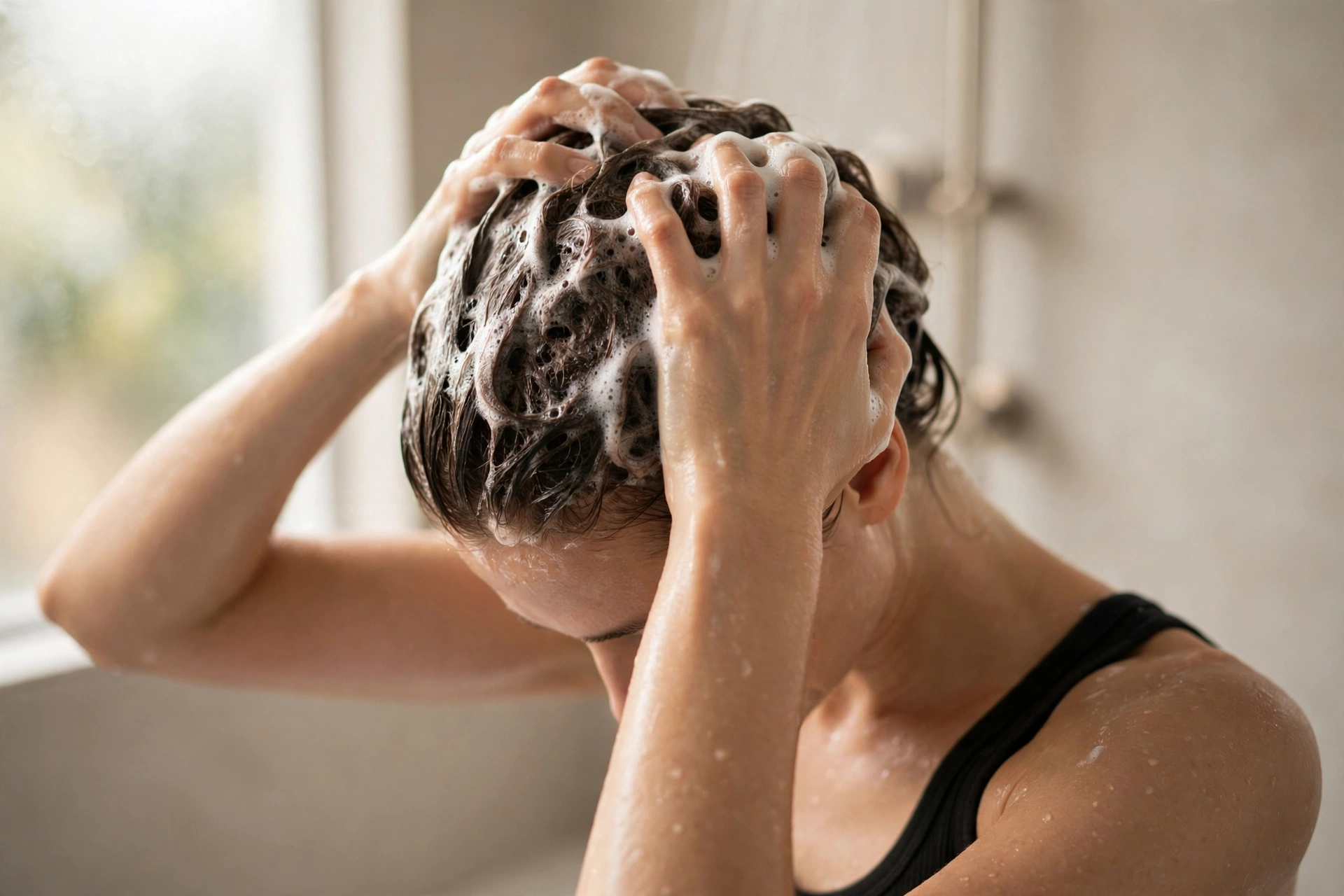
The third habit combines two things I did to myself behind the scenes. First, I treated my scalp as an afterthought. I’d pile on dry shampoo for days, scratch an itchy patch with my nails, and rinse quickly. Product and oil built up, my scalp got itchy, and the scratching dislodged hair. Hair grows from the scalp, so a scalp that’s irritated or clogged is worth caring for like skin.
Now I massage shampoo into my scalp with my fingertips, never my nails, and let the suds rinse down the lengths. I wash about three times a week, more if I sweat a lot or my scalp feels oily. Once a week I use a clarifying shampoo to clear product buildup, and I rinse longer than seems necessary. If dandruff, redness, or flaking persists, a dermatologist can tell whether it’s simple dandruff or something that needs treatment, and a medicated shampoo may help.
The second piece was food. During a stretch of late nights and skipped breakfasts, I noticed more shedding about two or three months later. That delay is real. Hair cycles through growth and rest phases, and a stressful period or sharp drop in eating can push many strands into the resting phase at once, so shedding shows up months after the trigger. That’s why I took so long to connect the two.
I stopped crash dieting and began eating protein at every meal, since hair is made mostly of keratin, a protein. Eggs at breakfast, lentils or chicken later in the day. Iron and vitamin D levels are commonly linked to shedding, but I didn’t start supplements on a guess. I asked a doctor for a blood test first, because taking iron you don’t need can cause its own problems.
Sleep is part of this, so I moved my bedtime earlier by about thirty minutes a week until I was getting around seven hours. Stress doesn’t vanish on command, though a twenty-minute walk after lunch helped more than any product I tried.
Some shedding is normal every day. If it suddenly ramps up or you see thinning, book the appointment instead of waiting it out.


